Deadwood Removal in Reno, NV
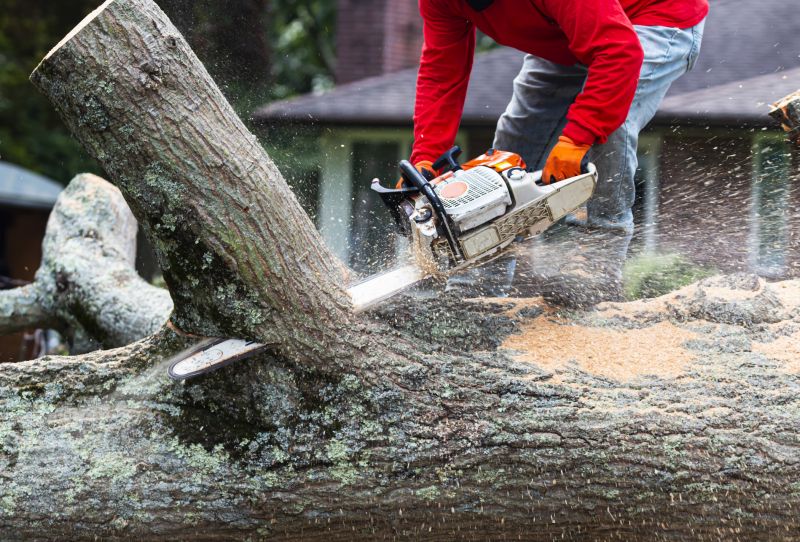
Deadwood removal services involve the safe and efficient removal of dead or hazardous trees, branches, and stumps from residential or commercial properties. These projects typically include cutting down damaged or diseased trees, removing fallen or unstable limbs, and grinding or extracting stumps to improve the safety and appearance of the landscape. Property owners often seek this service to prevent potential damage to structures, reduce the risk of injury, or enhance the overall aesthetic of their outdoor space.
Before requesting deadwood removal, property owners should consider the size and location of the trees or branches involved, as well as any potential obstructions such as power lines or nearby structures. It is also helpful to understand whether the work will involve stump grinding or removal, and if permits are required for large tree removals in the area. Having a clear idea of the scope of the project can ensure that the service meets specific landscape and safety needs effectively.
Many property owners in Reno, NV look into Deadwood Removal for repairs, replacements, upgrades, and appearance-related improvements.
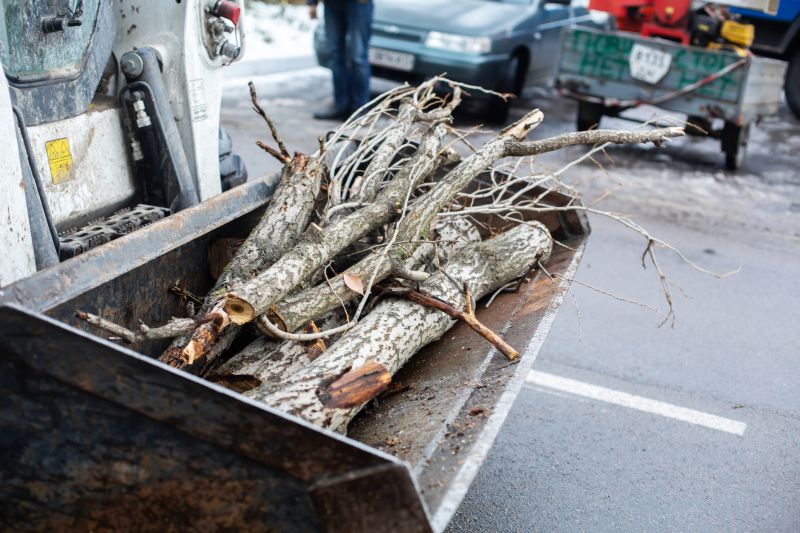
Tree And Stump Removal
Removing hazardous or unwanted trees and stumps to improve safety and landscape appearance.
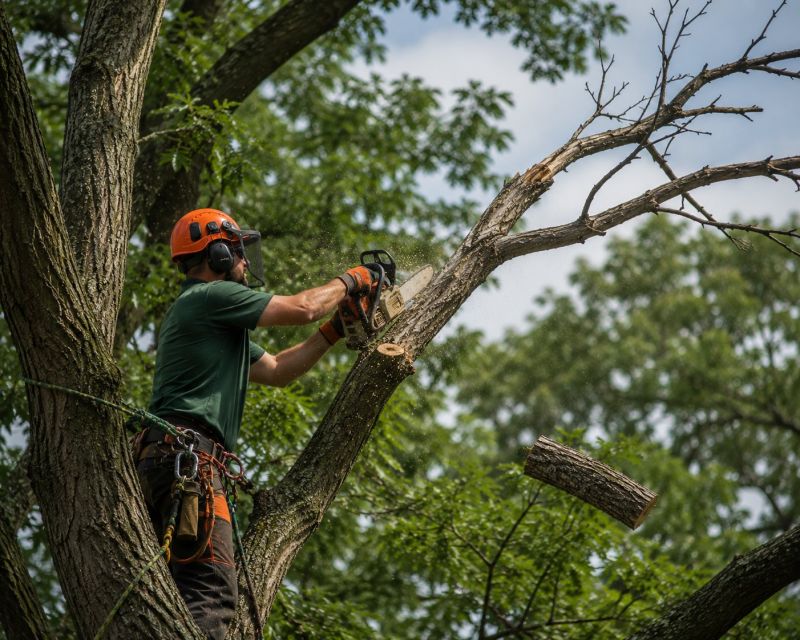
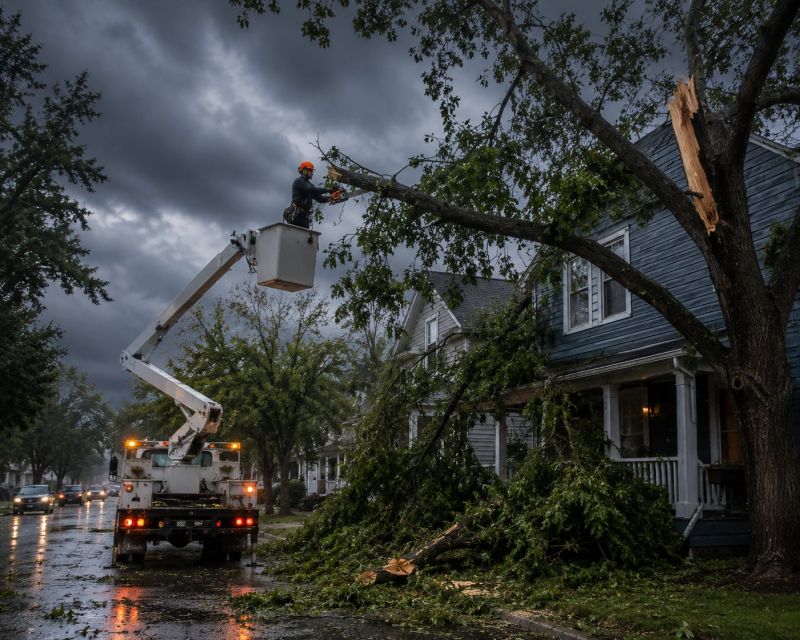
Storm Debris Cleanup
Clearing fallen branches, trees, and debris after storms to restore your property.
Overgrown Vegetation Clearing
Eliminating overgrown bushes, shrubs, and deadwood to enhance curb appeal and maintain property health.
Deadwood Removal in Reno, NV
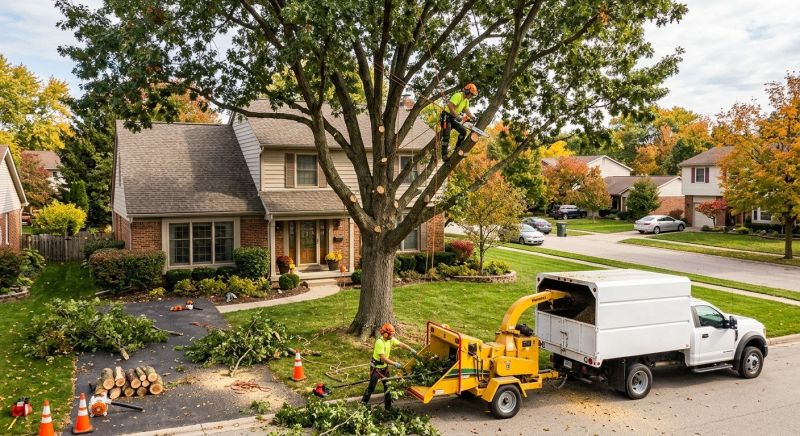
Deadwood removal services involve the safe and efficient removal of dead or hazardous trees, branches, and stumps from residential or commercial properties. These projects typically include cutting down damaged or diseased trees, removing fallen or unstable limbs, and grinding or extracting stumps to improve the safety and appearance of the landscape. Property owners often seek this service to prevent potential damage to structures, reduce the risk of injury, or enhance the overall aesthetic of their outdoor space.
Before requesting deadwood removal, property owners should consider the size and location of the trees or branches involved, as well as any potential obstructions such as power lines or nearby structures. It is also helpful to understand whether the work will involve stump grinding or removal, and if permits are required for large tree removals in the area. Having a clear idea of the scope of the project can ensure that the service meets specific landscape and safety needs effectively.
Many property owners in Reno, NV look into Deadwood Removal for repairs, replacements, upgrades, and appearance-related improvements.
Common Deadwood Removal Jobs
Deadwood Removal - Clearing dead or diseased trees to improve property safety and appearance.
Storm Cleanup - Removing fallen branches and debris after severe weather events.
Tree Trimming - Pruning deadwood to promote healthy growth and maintain tree structure.
Hazard Tree Removal - Taking out trees that pose a risk to structures or people.
Land Clearing - Removing deadwood to prepare land for construction or landscaping projects.
Emergency Deadwood Removal - Rapid removal of hazardous dead trees or branches after storms.
Deadwood Removal Questions
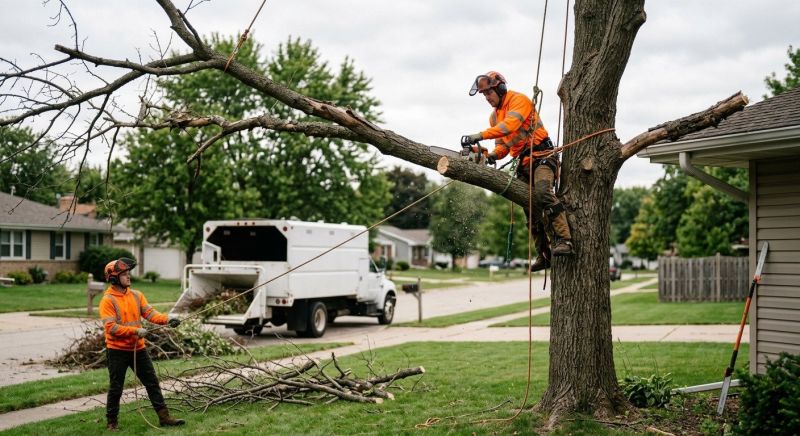
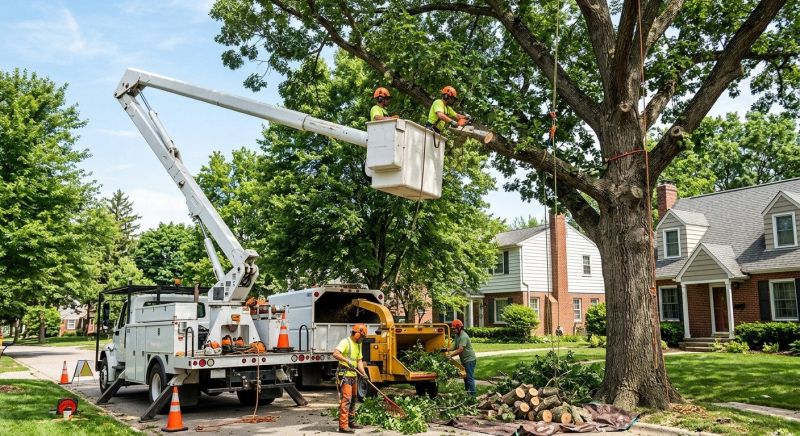
What types of deadwood removal services are available? Services include removing dead branches from trees, clearing fallen limbs, and trimming overgrown or hazardous wood to improve safety and appearance.
Why is deadwood removal important? Removing dead or dying wood reduces the risk of falling branches, prevents damage to property, and promotes healthy tree growth.
When should deadwood removal be performed? It is best to schedule deadwood removal during the dormant season or when dead branches become hazardous or visually unsightly.
What should property owners consider before deadwood removal? Consider the location of dead branches, potential impact on tree health, and the overall safety of the area around the tree or shrub.
Request Deadwood Removal in Reno, NV
Use the quote form on this page to share the basics of your project and request more information for the type of work you need.